Oracle
Tea Leaves
Drink the tea, swirl what is left, turn the cup over, and read the pictures the leaves have made. It is the most sociable of the oracles.
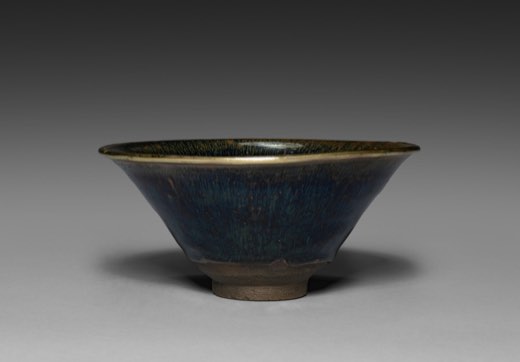
The handle is at the right, and stands for you and your home. Read clockwise from it. Leaves near the rim are soon; leaves at the bottom are far off.
Symbols people have read
| Symbol | Commonly read as | Symbol | Commonly read as |
|---|---|---|---|
| Anchor | Stability; a safe arrival | Bird | Good news; flying, news on its way |
| Arrow | A message, pointed where it leads | Boat | A journey, or a visitor from afar |
| Circle or ring | Completion; a marriage or contract | Clouds | Trouble; with dots, money trouble passing |
| Cross | A hardship or a sacrifice | Crescent | Good luck, changing fortunes |
| Dog | A faithful friend | Cat | A quarrel, or a false friend |
| Dots | Money; many dots, much money | Straight line | A clear road, a journey |
| Wavy line | An uncertain path | Broken line | An interruption |
| Flower | Praise, a happy love | Tree | Health, growth, family |
| Heart | Affection; with a ring, a wedding | Key | An opening, a discovery |
| Ladder | Advancement | Mountain | An obstacle, or a great ambition |
| Snake | Enmity; take care | Star | Hope, good health |
| Letters | The initials of someone concerned | Numbers | Days, weeks or months until the event |
What a shape reminds you of comes first. Then its neighbours: a symbol is coloured by what it sits beside, and one near the handle touches you most closely.
A real reading
- Use loose-leaf tea with large leaves and a wide, plain, pale cup. Brew it in the cup or pour without a strainer.
- The person asking drinks the tea, thinking of their question, and leaves about a teaspoonful.
- Holding the cup in the left hand, they swirl it three times, then turn it upside down on the saucer and let it drain.
- Turn the cup upright with the handle toward the person asking. Read clockwise from the handle, rim first, then the sides, then the bottom.
Place is time. The rim is the present and the coming days, the sides the weeks ahead, the bottom the distant future. Size is weight. Large, clear figures matter; faint ones are small things. A drop of tea left in the cup is tears. Leaves on the saucer are things already past.
Where it comes from
Reading tea leaves, tasseography, spread through Europe once tea became cheap in the eighteenth century, following an older habit of reading the dregs of wine and, around the eastern Mediterranean, the grounds of coffee, which is still read in Lebanon, Turkey, Greece and Armenia. The cup of coffee is turned over on its saucer in just the same way.
Sources and further reading
- “A Highland Seer”, Tea-Cup Reading and Fortune-Telling by Tea Leaves (about 1920), public domain.

