The Gods · India
Shiva
The Auspicious One; Mahadeva, the great god; Nataraja, lord of the dance
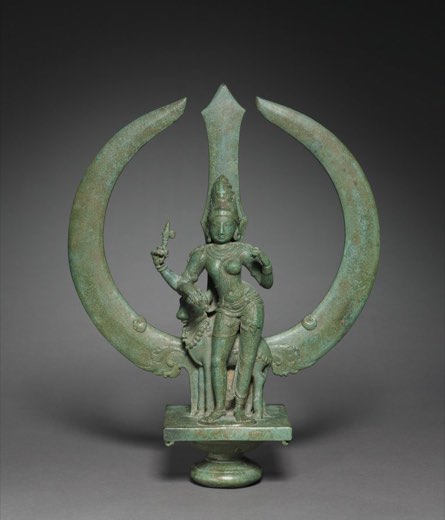
Shiva is the great ascetic seated in meditation on Mount Kailash and also the householder, husband of Parvati and father of Ganesha and Skanda. For those who worship him as supreme he makes, keeps and unmakes the worlds, and as Nataraja he dances that whole cycle in a ring of fire. He is most often worshipped in the plain form of the linga. His great night is Maha Shivaratri, in late winter.
- Governs
- Symbols
- The trident; the hourglass drum; the third eye; the crescent Moon and the river Ganges in his matted hair; the serpent; the bull Nandi; the linga
- Honoured with
- Water and milk poured over the linga; bilva leaves
- Sources
- The hymns to Rudra in the Vedas; Shvetashvatara Upanishad; Shiva Purana; Linga Purana
For what this book says about offerings of smoke, see incense.
Further reading
- Wendy Doniger, The Rig Veda: An Anthology (1981) and Hindu Myths: A Sourcebook (1975).
- Gavin Flood, An Introduction to Hinduism (1996).
- David Kinsley, Hindu Goddesses (1986).
- Diana L. Eck, Darśan: Seeing the Divine Image in India (1981).
- Thomas B. Coburn, Encountering the Goddess (1991), a translation of the Devi Mahatmya.

