The Gods · Nigeria: Yoruba and Igbo
Orunmila
Witness of fate; master of the Ifá oracle
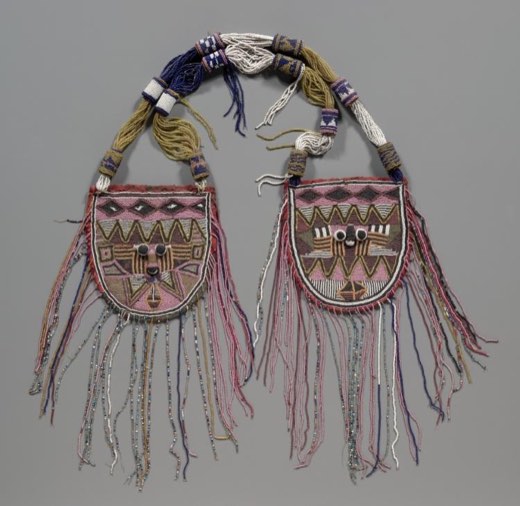
Orunmila was present when each soul chose its destiny, and so knows what was chosen. He speaks through Ifá, a system of 256 figures, each with its own body of verses, which a priest called a babalawo, father of secrets, spends years learning by heart. The figure that falls gives the verses, and the verses say what sacrifice will set things right. UNESCO has recognised Ifá as a masterpiece of humanity's heritage. Yoruba spelling: Ọ̀rúnmìlà.
- Governs
- Symbols
- The sixteen palm nuts; the divining chain; the carved tray dusted with powder
- Sources
- William Bascom, Ifa Divination: Communication between Gods and Men in West Africa (1969); Wande Abimbola, Ifá (1976)
For what this book says about offerings of smoke, see incense.
Further reading
- E. Bolaji Idowu, Olódùmarè: God in Yoruba Belief (1962).
- Wande Abimbola, Ifá: An Exposition of Ifá Literary Corpus (1976).
- William Bascom, Ifa Divination (1969).
- J. Omosade Awolalu, Yoruba Beliefs and Sacrificial Rites (1979).
- Emefie Ikenga Metuh, God and Man in African Religion (1981), and Herbert M. Cole, Mbari: Art and Life among the Owerri Igbo (1982), for the Igbo.

